
The Al-Azhar Method: How Traditional Islamic Scholarship Is Taught (and Why It Still Beats Apps)
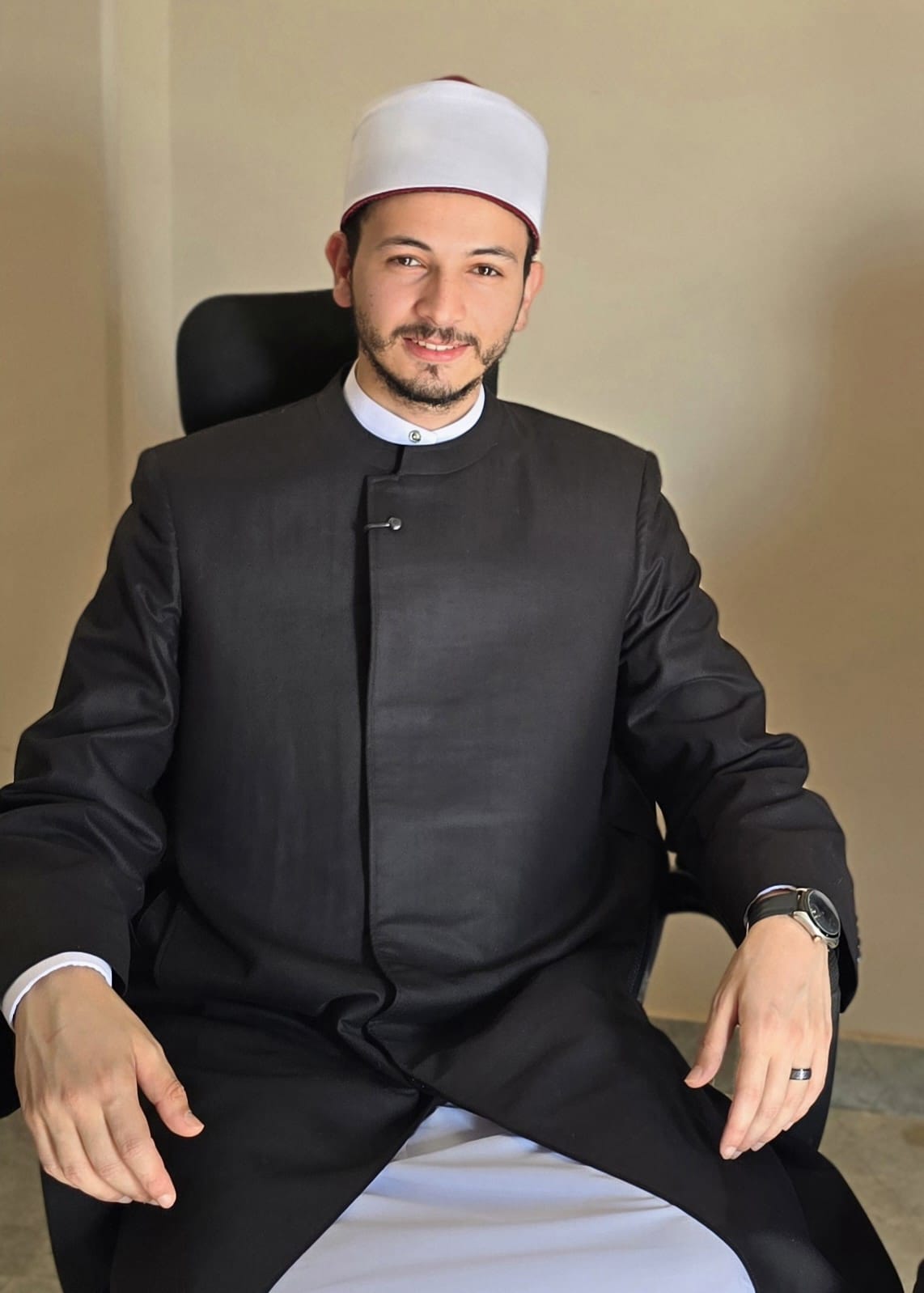 Rawdh Team·5 min read·26 June 2026
Al-Azhar, in the heart of Cairo, has been teaching Islamic scholarship without interruption for more than a thousand years. Long before universities in the modern sense existed, students were arriving at its halaqāt to sit with a shaykh, read a text aloud, get corrected, and repeat. The method they used then is essentially the same method Al-Azhar-trained scholars still use today, and it is the reason a serious online Arabic teacher is still worth a hundred hours of app time.
This piece explains how traditional Islamic scholarship is actually taught, the talaqqī model, the ijāzah chain, what an Al-Azhar training looks like in practice, and, more usefully for you as a learner in 2026, what to look for when you choose online Arabic teachers.

Talaqqī: what "traditional Islamic teaching" actually means
Talaqqī means "receiving." In practice, it is a lesson shape: the student sits with the teacher, reads the primary text aloud, and receives corrections, explanations and questions in real time. It sounds simple. It is also the most efficient way to learn a classical text ever devised, for a few reasons a modern learner should care about:
- Mistakes are caught immediately. The teacher hears every mispronounced letter, every misread case ending, and corrects on the spot. Errors never harden into habits.
- The teacher paces the text to you. A halaqah moves as fast as its slowest attentive student. A YouTube playlist moves at whatever pace the presenter chose, which is almost never yours.
- You cannot skip the hard parts. Every difficult passage is worked through with the shaykh until you actually understand it, not until you feel like you've had enough of the video.
- Questions are answered in context. The one question you didn't know how to Google is the one your teacher notices you needed to ask.
The ijāzah chain: why lineage matters
An ijāzah is a written authorisation granted by a scholar to a student who has studied a text under them to the required standard. In classical usage, an ijāzah lists the chain of teachers all the way back, in Qur'anic qirāʾah, unbroken to the Prophet ﷺ; in ḥadīth and fiqh, back to the founding imāms of each discipline.
An ijāzah is not a certificate you print off a website. It is a scholar saying, on their own reputation, that this student has genuinely learned this text from them and is now authorised to teach it. The chain (isnād) is the audit trail that has kept Islamic scholarship rigorous for fourteen centuries.
What an Al-Azhar training looks like in practice
An Al-Azhar-trained scholar has typically:
- Memorised the Qur'an in full, with tajwīd, before higher study.
- Studied Arabic grammar (naḥw) and morphology (ṣarf) through classical texts, Al-Ājurrūmiyyah, Alfīyat Ibn Mālik and their commentaries.
- Worked through fiqh in one madhab (in Egypt's case usually Shafi'i or Hanafi) from an entry-level matn upwards.
- Studied ʿaqīdah, ḥadīth sciences, tafsīr and uṣūl al-fiqh alongside a full university degree.
- Received ijāzāt in specific texts and disciplines from named shuyūkh, not just a diploma.
That is a decade of layered, sequenced study before they are considered qualified to teach, let alone to issue rulings. It is why the phrase "Al-Azhar trained" carries weight, and it is why we insist on it for our teachers at Rawdh.

Why this still beats apps in 2026
Modern language apps are brilliant at one thing: spaced repetition of vocabulary. They will teach you that kitāb means "book" and drill it until you cannot forget. What they cannot do:
- Correct your pronunciation of ḍād, the letter Arabic itself is nicknamed for, because they cannot hear you.
- Explain why a Qur'anic verse is grammatically striking, or what a Companion asked the Prophet ﷺ about it.
- Answer the question you didn't know how to phrase.
- Slow down when you are tired and speed up when you are flying.
For casual travel Arabic, an app is fine. For classical Arabic, Qur'anic Arabic, or fiqh, the traditional talaqqī model, delivered live over video, still wins. It just now happens in Zoom instead of a courtyard.
Apps drill words. Teachers build understanding. The best modern setup is both, a live shaykh once or twice a week, spaced repetition every day between.
What to look for in online Arabic teachers
Anyone can put "Arabic teacher" in a bio. Here is what actually matters, in order of importance:
- A real credential. Al-Azhar, a recognised Islamic university, or a chain of ijāzāt from named scholars. If the teacher's page is vague about where they studied and with whom, that is your answer.
- Live teaching. Not just recorded videos. You need a human on the other end who can hear your recitation and answer your question this week, not in a comment thread six months from now.
- A structured curriculum. A teacher who can tell you what you will study in Month 1, Month 6 and Month 12 has thought about how learners actually progress. A teacher who says "we'll see how it goes" has not.
- Proper feedback. On recitation, on writing, on comprehension. Ask specifically: how will I know if I'm actually improving? A serious teacher will have a concrete answer.
- Small groups or 1-to-1. Talaqqī does not scale to a hundred learners on a Zoom call. If the classroom is huge, the model is broken.
How Rawdh applies the Al-Azhar method online
Rawdh is built around this method. Our teachers are Al-Azhar trained scholars. Lessons are live and small enough that every student reads aloud and gets corrected. The curriculum is sequenced, recitation, then Arabic script, then high-frequency vocabulary, then grammar, then reading of the Qur'an, the same order Al-Azhar has always used. Between live classes, students revise with spaced-repetition recall, so the words and rulings you learn actually stay learned.
If you are trying to choose between the flood of "learn Arabic online" apps and a live human teacher, the honest answer from every serious Arabic teacher we know is the same: the best way to learn Arabic classically is with a real shaykh, live, in a small group, over time. Everything else is a supplement.
See how our teachers work, live, in our online Arabic tutor and Quranic Arabic course pages. If you'd like to see the language roadmap that runs alongside this method, read our guide to learning Quranic Arabic online and our Madinah Arabic Books guide. Or book a free 20-minute call and we'll place you with the right teacher.
Related guides

Days of the Week in Arabic Language: The Complete Guide
The Arabic days of the week follow a counting system rooted in Classical Arabic numerals. See the pattern that turns seven words into one insight.

The Madinah Arabic Books: A Complete Guide (Books 1 to 3)
The Madinah books have been the backbone of Arabic teaching for non-native speakers for four decades. Here's what each volume covers and how to study them well.

What Is Fiqh? A Beginner's Guide to Islamic Jurisprudence, and the Shafi'i School
Fiqh is the human effort to understand Islamic law from the Qur'an and Sunnah. Here is what it actually is, how the four madhabs differ, and how a beginner should study it.