Rawdh · Hidaya Track

Quranic Arabic Course — Understand What You Recite

Rawdh's Quranic Arabic course is built for adult Muslims who can already read the letters but don't understand the words. Live 1-to-1 lessons with an Al-Azhar trained scholar, word-by-word Qur'an, roots and grammar — so what you recite finally makes sense.

The problem: reciting without understanding

Millions of Muslims have memorised surahs they don't understand. It's an incredible act of worship — and also a genuine loss, because the Qur'an is a book that argues, consoles and instructs, and you can't feel any of that in a language you can't parse. Quranic Arabic is the shortest bridge from recitation to comprehension.

What the Hidaya (Quranic Arabic) course covers

Word-by-word Qur'an

Every session works through actual ayahs. You learn each word, its root and its grammatical role — not abstract drills.

Root system (jadhr)

Arabic vocabulary is built from three-letter roots. Once you own a few hundred roots, thousands of Qur'anic words become recognisable.

Classical grammar (nahw & sarf)

Enough of both to understand why words take their endings and how verb patterns change meaning — taught alongside real ayahs, not in isolation.

Live tafsīr integration

As you learn the language, your teacher connects it to the classical tafsīr tradition, so understanding grows with context.

How it fits with the Classical Arabic track

Some students take Hidaya as their main course; others study it alongside our general Classical Arabic track for full fluency. Both share the same teacher and the same spaced-repetition system — your progress in one directly helps the other.

Your teacher

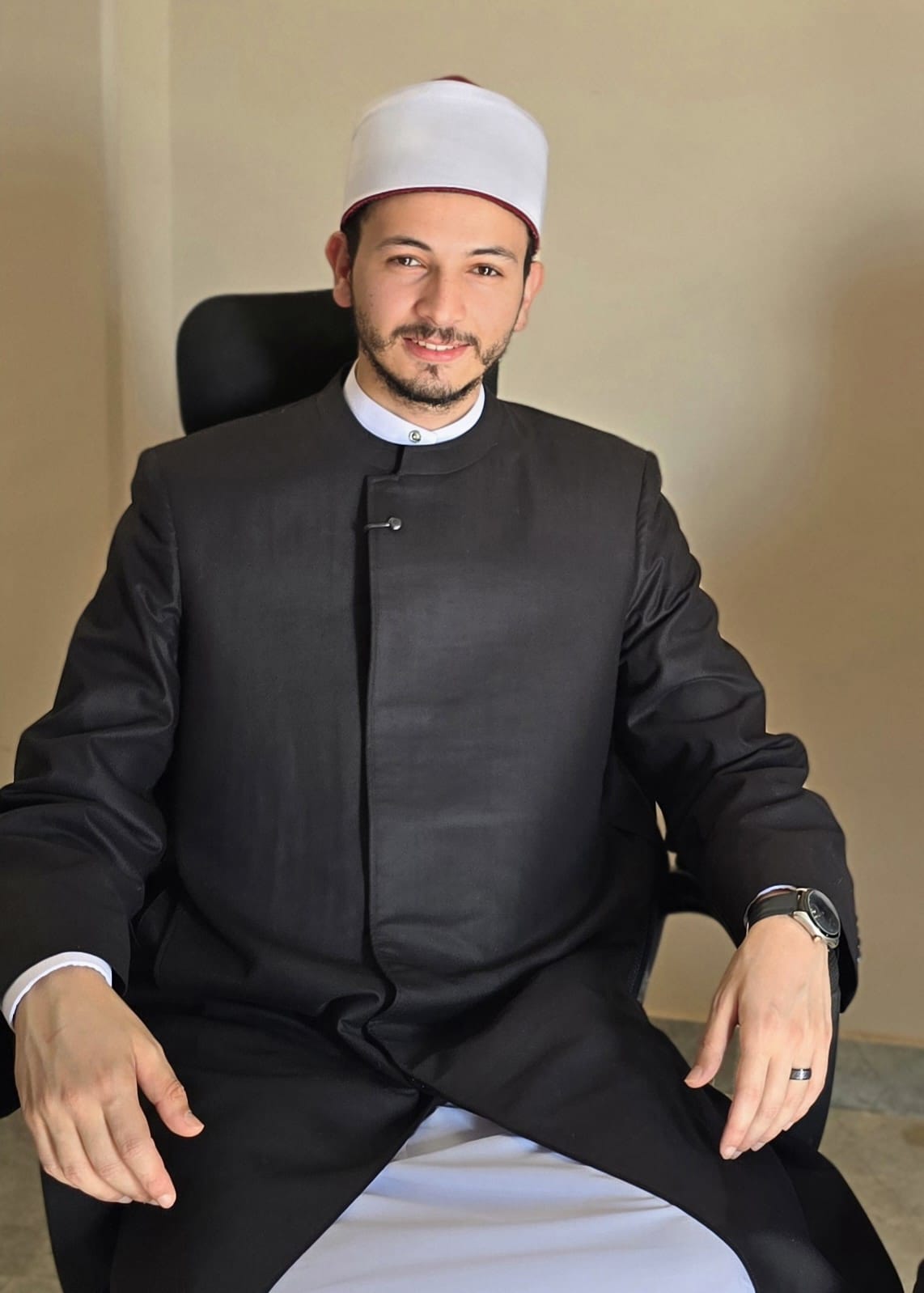
Yusuf Ashraf

Yusuf Ashraf

Al-Azhar University · Graduated 2nd in Class · B.A. Islamic Studies (Highest Honours) · Ijazah in Qira'a, Riyad As-Saliheen & Al-Shama'il Al-Muhammadiyah

Yusuf Ashraf graduated second in his class from Al-Azhar University, one of the oldest and most respected institutions of Islamic learning in the world, holding a B.A. in Islamic Studies with Highest Honours, a Preparatory Masters, and a Postgraduate Diploma in Islamic Education (Excellent with Honours). He carries multiple ijazat: in Qira'a Asem (Hafs, Shu'bah and Warsh), in Riyad As-Saliheen by Imam Nawawi, in Ash-Shama'il Al-Muhammadiyah, and in individual hadith, each one a direct chain of transmission back to the Prophet ﷺ. Alongside his academic work as a researcher, Yusuf has spent over six years teaching Arabic to non-native speakers of all ages and backgrounds. Rawdh is built on that experience: a structured path that gives every Muslim the tools to access the Quran, the Sunnah and the classical tradition in their original language.

Membership

One membership includes all three tracks (Arabic, Fiqh and Quranic Arabic / Hidaya), every live session and the full spaced-repetition system.

Monthly

£50 / month

Yearly

£500 / year (≈ £41.67/mo)

Frequently asked questions

How is Quranic Arabic different from Modern Standard Arabic?+

Quranic Arabic (Classical Arabic) is the language the Qur'an was revealed in. Modern Standard Arabic (MSA) is the modern journalistic and academic form. They share most grammar and core vocabulary but Quranic Arabic uses a richer set of verb forms, precise syntax and a specific vocabulary tied to the Qur'an. A course aimed at understanding the Qur'an — like Rawdh's Hidaya track — focuses on classical grammar and the Qur'an's actual word usage rather than newspaper Arabic.

How long does it take to understand the Qur'an in Arabic?+

Most adult learners studying 3–5 hours a week reach the point of following simple ayahs by ear within 6–9 months and understand the majority of common Qur'anic vocabulary within 12–18 months. Comprehension of complex surahs is a 2–3 year path. The pace depends on how consistently you attend live sessions and do the daily drills.

Do I need to already read Arabic to start?+

No. The Quranic Arabic course starts with the alphabet and Tajwid basics if needed, then moves into word-by-word Qur'anic vocabulary and grammar. Complete beginners are welcome and are actually the majority of Hidaya students.

Can I learn Quranic Arabic without a teacher?+

You can memorise vocabulary lists on your own, but grammar (why a word takes its ending, why one verb form is used over another) is where self-study almost always breaks down. A weekly live session with a qualified teacher — corrections, questions, live tafsīr — is what turns memorised words into real comprehension.

Is this the same as a Tajwid course?+

No. Tajwid teaches how to recite correctly. This course teaches you to understand what you're reciting — vocabulary, roots and grammar. Many students study both in parallel.

Ready to start?

Book a free 20-minute learning plan call. We'll assess your current level and suggest where to begin.